Case study · AI literacy & digital rights

JUST AI: Making AI Ethics Accessible

Bringing AI ethics out of the tech world and into the hands of everyday citizens, student leaders, and community advocates.

Kathmandu · July 2025 · Co-organized with Good Leadership and the Madhesh Library

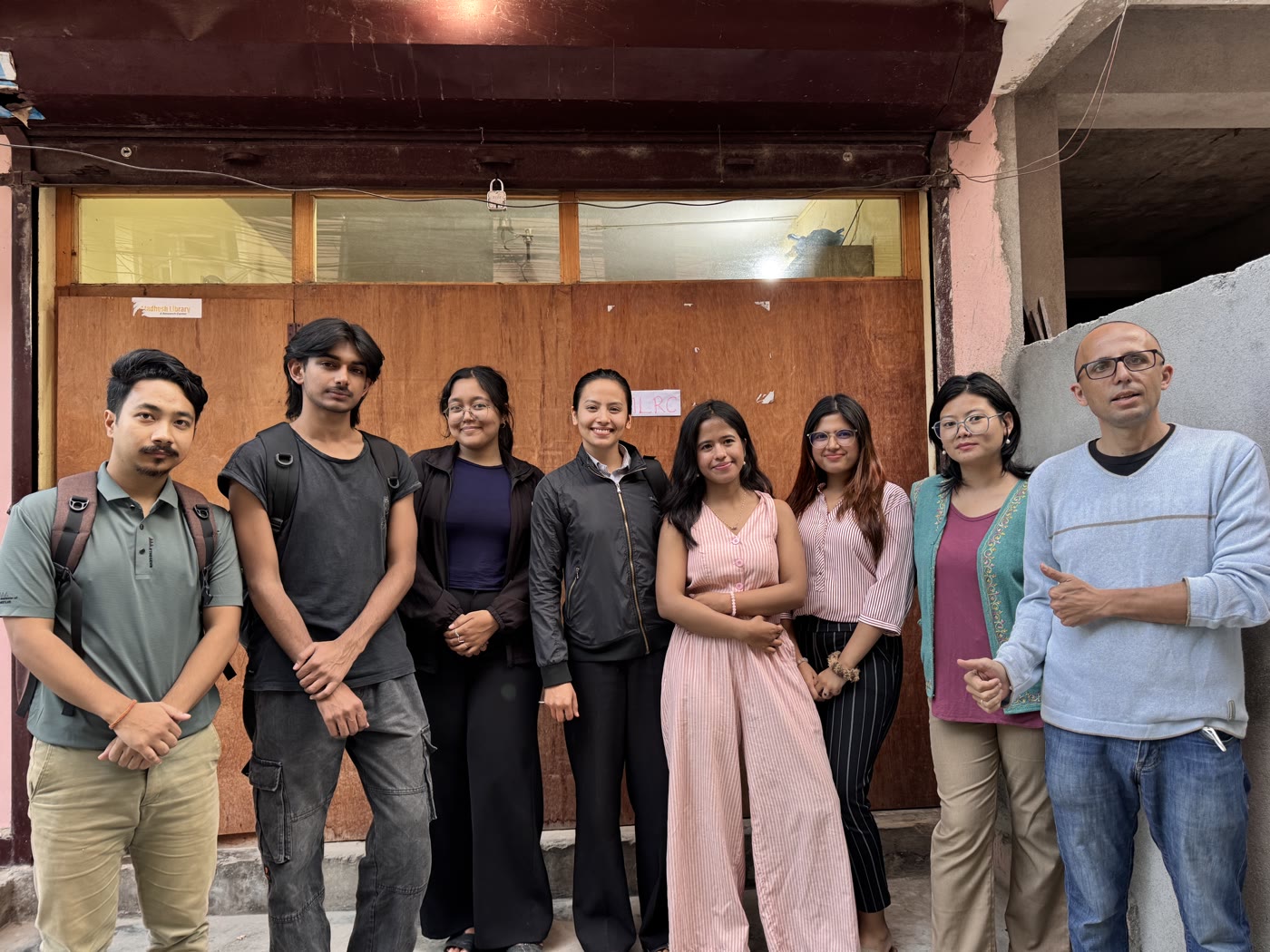
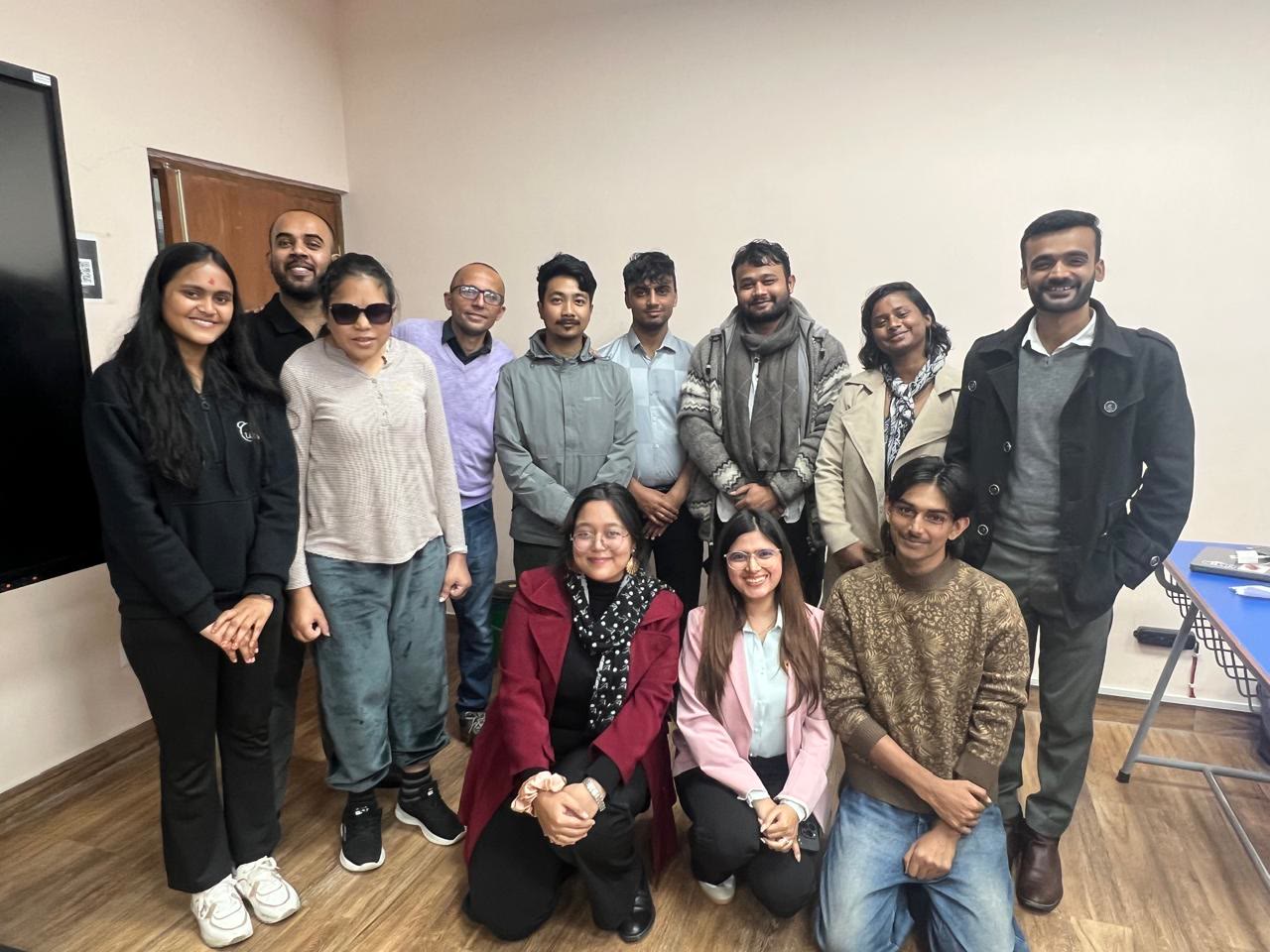
The JUST AI participants and facilitators together at the workshop
8
participants enrolled
7
graduated from the course
5
AI prototypes pitched
2
co-organizing partners
Why AI ethics

Digital literacy must go beyond using software

True empowerment means giving communities the critical tools to understand, evaluate, and question technology. Artificial intelligence is rapidly changing how communities interact, work, and access information. These powerful tools can also introduce data biases, privacy concerns, and digital exclusion. We wanted to make sure the conversation about AI was not limited to tech experts. Our goal was to bring ordinary citizens, student leaders, and community advocates into the discussion. We want everyday users to understand how AI algorithms work and how they affect human rights.

Built with

A workshop co-organized for the community

In July 2025, Digital Kala served as a co-organizer for JUST AI. We designed this specialized program to make deep conversations about AI ethics accessible, inclusive, and practical. The workshop launched in close partnership with Good Leadership and the Madhesh Library and Research Center, together with Good Stuff Coaching. Digital Kala provided the core digital literacy foundation for the event. The program began with 8 dedicated participants. By the end of the workshop, 7 passionate individuals had graduated. The sessions were led by a diverse team of facilitators: Anjali Sah, Simone, Aastha Acharya, Dipa Rai, and Labbi Karmacharya.
In the sessions

What we covered

The team taught through collaborative sessions and interactive exercises.

Foundational AI literacy

How AI models actually work

The team demystified how artificial intelligence models collect data and make algorithmic decisions.

Inclusive and accessible ethics

Global rules in plain language

The speakers broke down complex global tech regulations into simple, practical guidelines that are relevant to local communities.

Critical frameworks

Spotting bias, misinformation, and deepfakes

Participants learned how to safely identify algorithmic bias, misinformation, and deepfakes online.

Empowered decision making

Questioning how data is used

The interactive exercises trained the attendees to question digital tools rather than accept them blindly. They learned to ask how their data is being used.

AI and climate

How AI meets Nepal's climate challenges

Labbi Karmacharya led a dedicated session on AI and Climate at the Madhesh Library and Research Center. It explored how artificial intelligence can support climate awareness and resilience in Nepal. The discussion covered ideas like tracking environmental data and spotting misinformation during disaster and climate news cycles.

The session also looked at the other side of the story. Artificial intelligence carries a real environmental cost of its own. Large models and data centers consume a lot of energy and water. We talked about why users should be aware of this footprint. We encouraged the participants to use these tools thoughtfully and to weigh their benefits against their impact on the climate.

Outcomes

Seven graduates, ready to lead

The graduation of the 7 participants marks a significant step forward in community-led tech advocacy. These individuals are now equipped to lead discussions on responsible technology use within their own networks.

The workshop shows what digital literacy can look like when it goes beyond software and gives people the confidence to question the tools that shape their lives.

JUST AI participants and organizers at the graduation ceremony, with Aastha representing Digital Kala
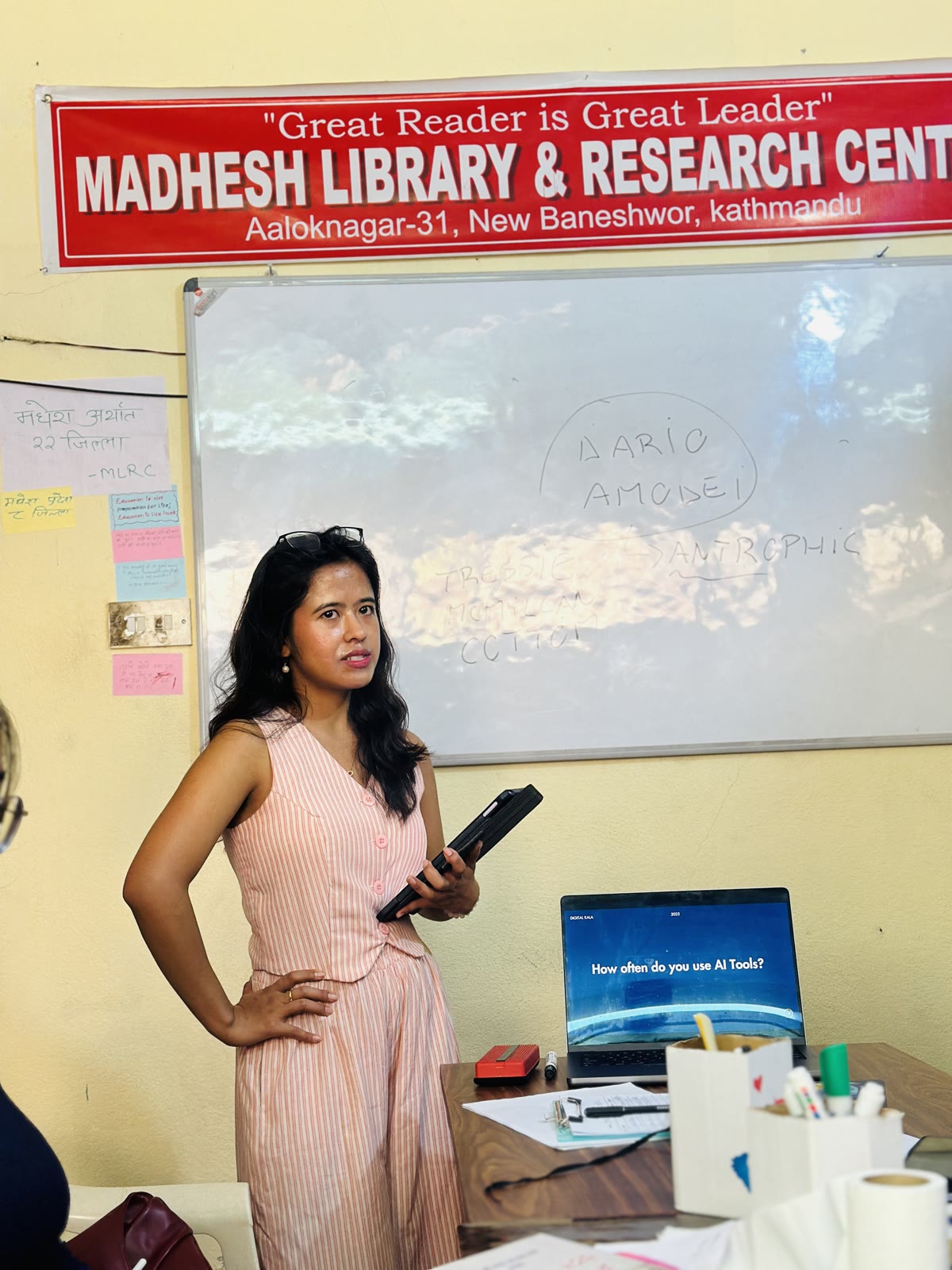
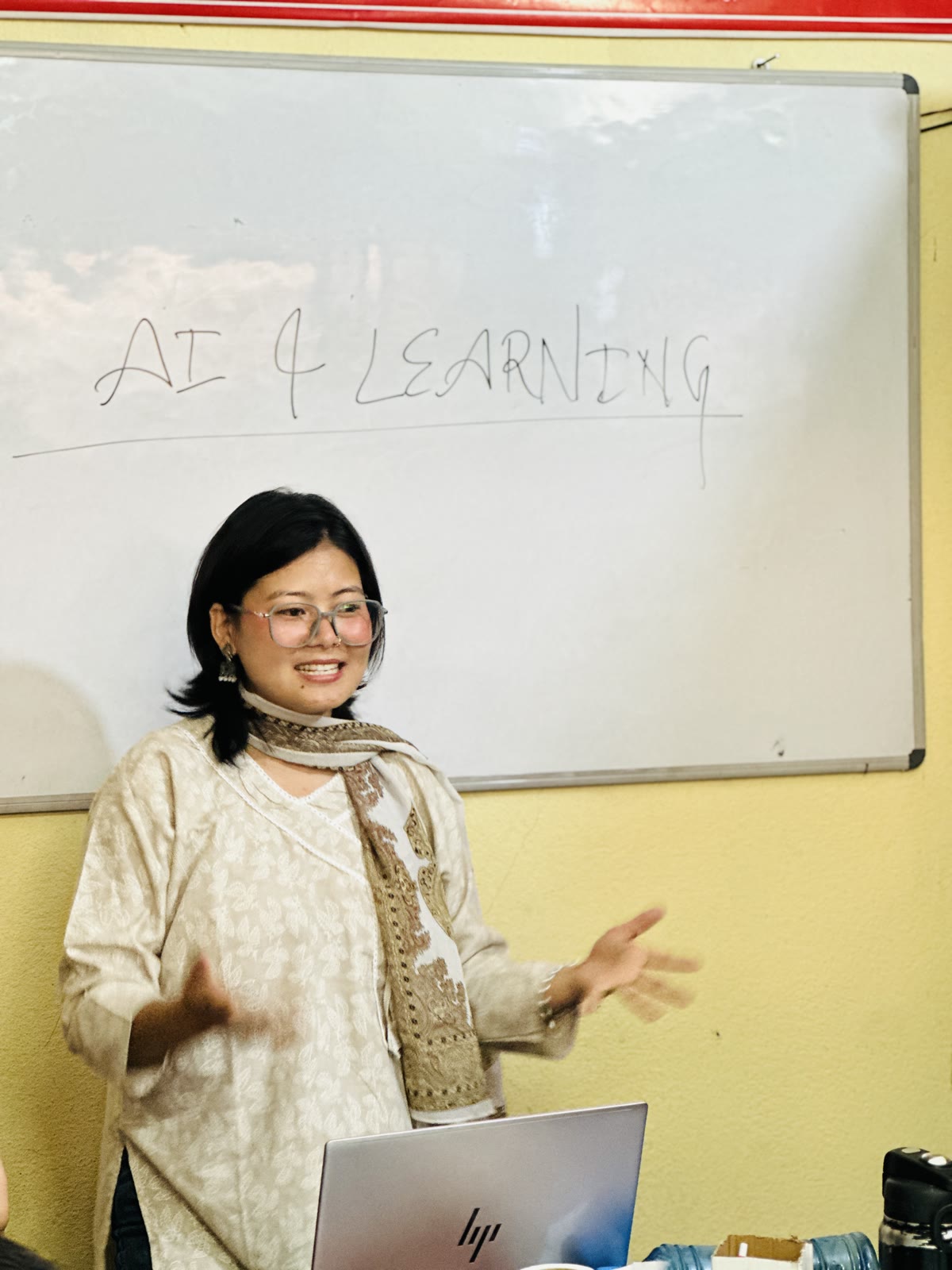
Dipa leading a JUST AI session in front of the AI and Learning whiteboard
Dipa leading a session
Labbi leading a session on AI and Climate at the Madhesh Library and Research Center
Labbi leading the session on AI and Climate
Fellow prototypes

Five ideas aimed at real gaps in Nepal's public services

Five participants pitched AI prototypes for gaps in Nepal's public services and social systems.

  • Nadiwatch, an AI river tracking and early warning tool for the Terai, by Suvam Yadav.
  • Nepal OCR, a Devanagari OCR for public documents, by Kebal Badal.
  • Laskus-AI, a Nepal Bhasha translation and learning tool, by Gaurav Maharjan.
  • AI-assisted behavioural analysis for shifts in crime patterns, by Soni Adhikari.
  • AI-based misinformation tracking during disaster and climate news cycles, by Bhatta.

Read the news coverage on Farsight Nepal →

Thank you

Building a digital world that serves humanity

We extend our deepest gratitude to Good Leadership and the Madhesh Library for their partnership and shared vision. We also thank our core team of facilitators for volunteering their knowledge and leadership. Digital Kala remains firmly committed to building a digital world where technology serves humanity safely and equitably.

Want to bring AI literacy to your community?

We co-design AI and digital literacy programs with universities, libraries, and community organizations. We keep the conversation practical and open to everyone. Tell us who you would like to reach.

Partner with us
Keep reading

More of our work

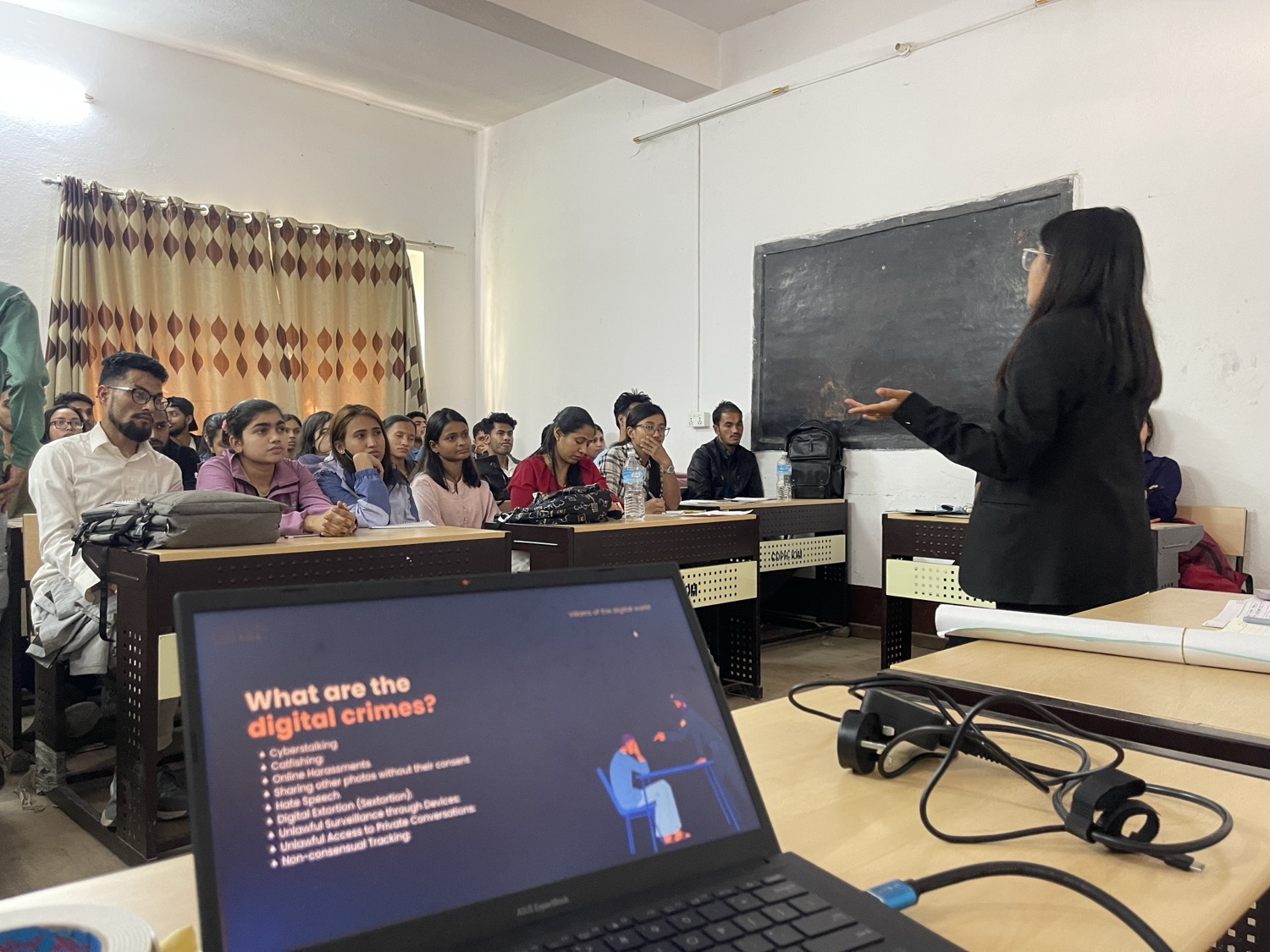
A Digital Kala facilitator leading a cyber security session at CDPH
Case study · Cybersecurity awareness

Cyber Security Awareness at CDPH

45 Bachelor of Public Health students learned real-world digital hygiene at Tribhuvan University.

Read the case study
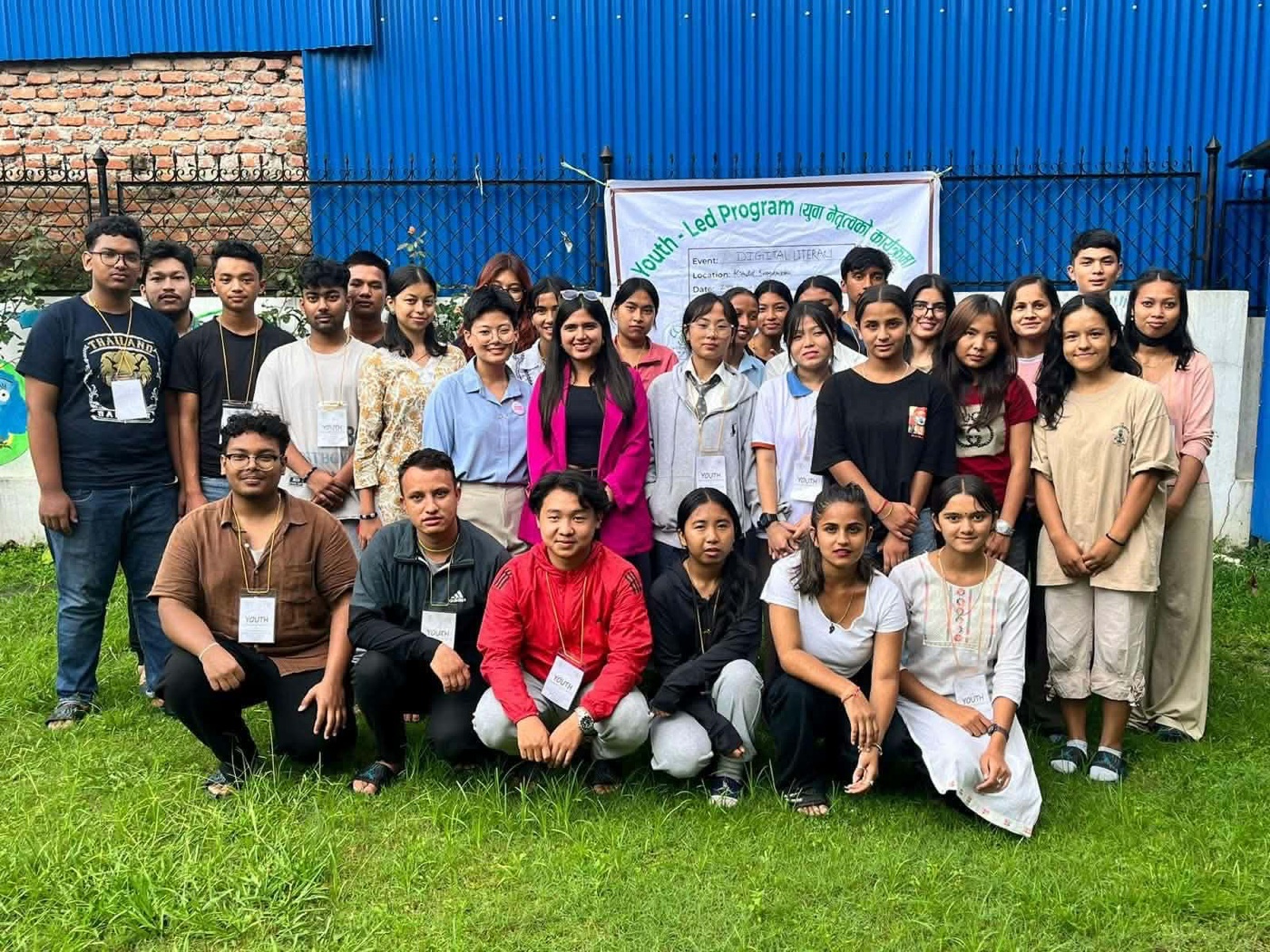
Young participants from Chautari Youth Club with the Digital Kala team
Case study · Child protection online

Digital Awareness with Chautari Youth Club

30 young people learned how to enjoy the internet while staying safe from online harm.

Read the case study