Digital Kala began in 2023 as an answer to a plain question: who is being left out of Nepal's digital future - and what do we do about it?
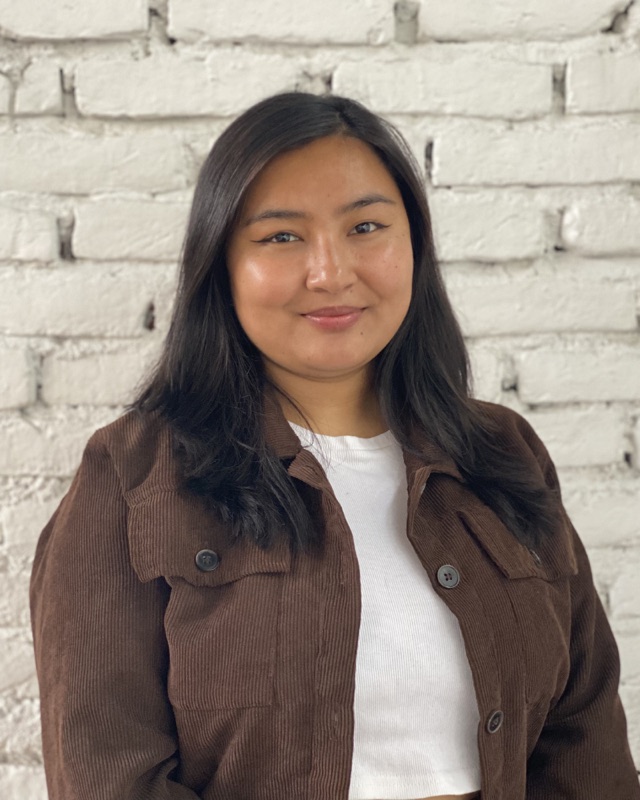
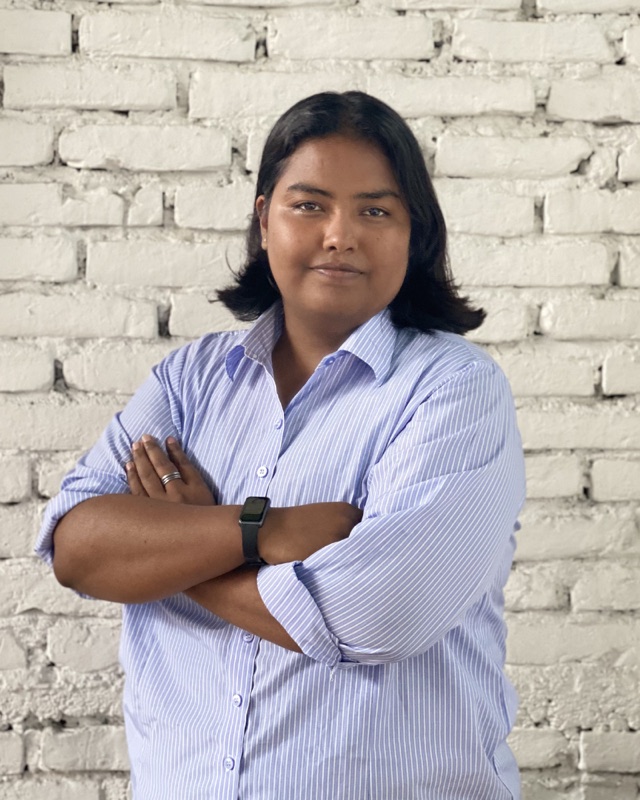
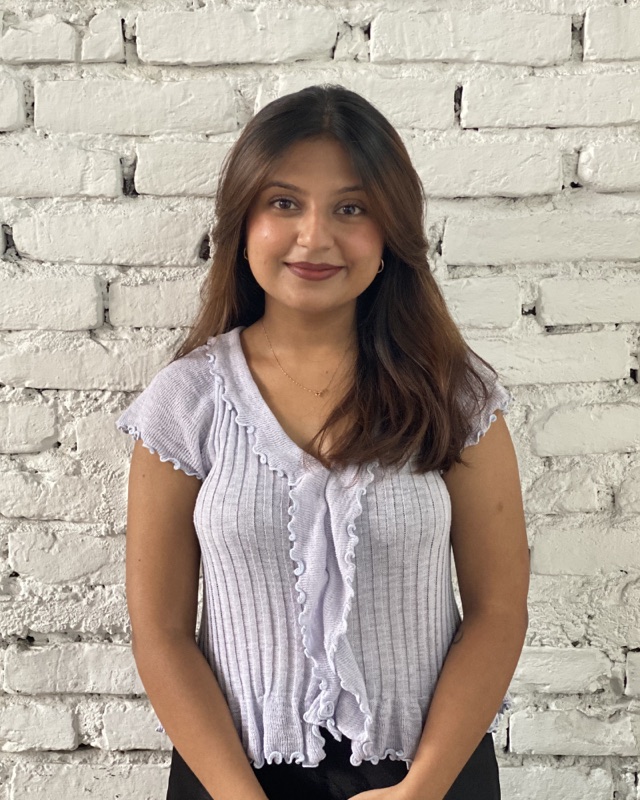
Digital Kala began in 2023 with three passionate young women who shared a single conviction - that the digital future shouldn't belong only to those who already have access to it. The spark came from co-founder Yakha Dipa Rai, who had recently attended a workshop on digital literacy and digital rights hosted by Body & Data. It opened her eyes to how urgent - and overlooked - these issues were in Nepal.
What made the team work was the mix of backgrounds. Aastha Acharya and Dipa brought legal knowledge; Labbi Karmacharya brought the technical depth the idea needed. Together they ran intensive brainstorming sessions, met with local authorities, experts, and community members, and built a concrete plan.
The timing was almost too good. Just as they began talking seriously, Women LEAD Nepal opened applications for the Sujata Baskota Changemakers Award - a grant created to support alumni-led social initiatives in memory of the late 2012 LEADer Sujata Baskota. They applied. They won. That was the official beginning of Digital Kala.
In 2024, Digital Kala was selected for the Projects for Peace / Davis Peace Project grant - funding the She Learns Tech program at Mary Ward School. In 2026, what began with three project initiators formally registers as an organization, relaunching with an expanded team of seven founding members.
To advance digital inclusion by equipping marginalized communities with essential digital skills and building awareness of online safety. Through structured training, mentorship, and strategic advocacy, we influence policies and practices that uphold digital rights, provide equitable access, and promote responsible digital use.
A digitally empowered society where every individual has the knowledge, skills, and confidence to participate meaningfully in the digital age.
We start with the communities most often left out - women, youth, Indigenous and ethnic groups, persons with disabilities, and the economically and geographically marginalized.
We help people not just use technology, but understand it, question it, and use it on their own terms.
Digital empowerment means knowing how to stay safe online - and how to act ethically once you're there.
We grow through partnership - with schools, clubs, NGOs, government, and civil society.
Our programs are shaped by the real needs of the people we serve.
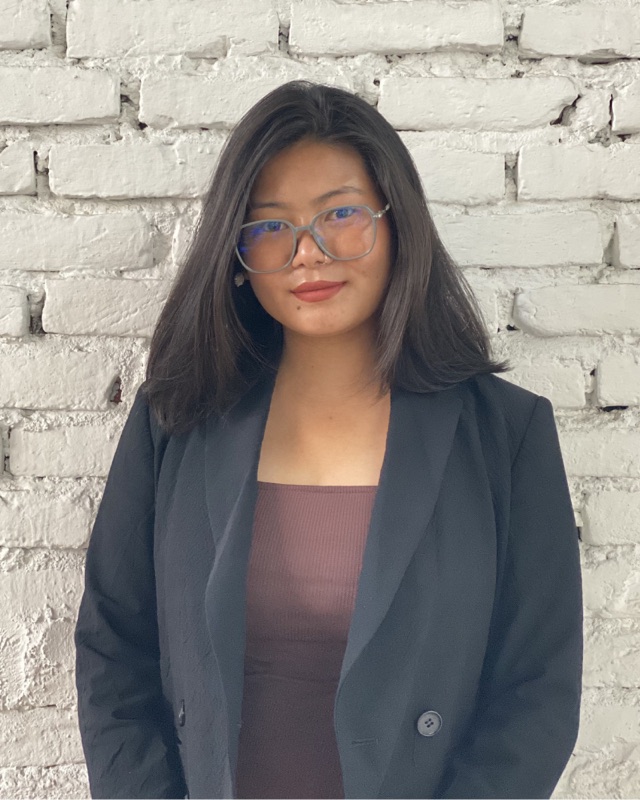
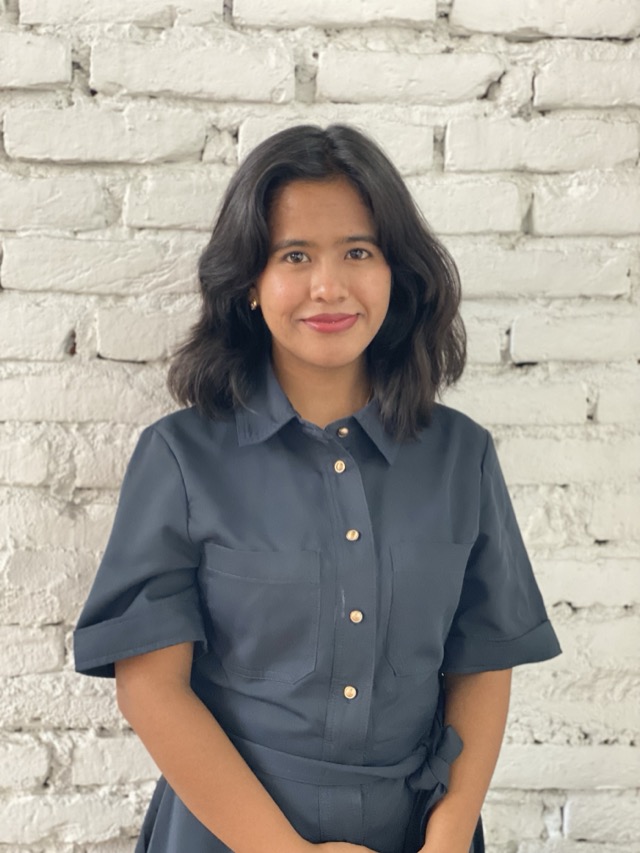
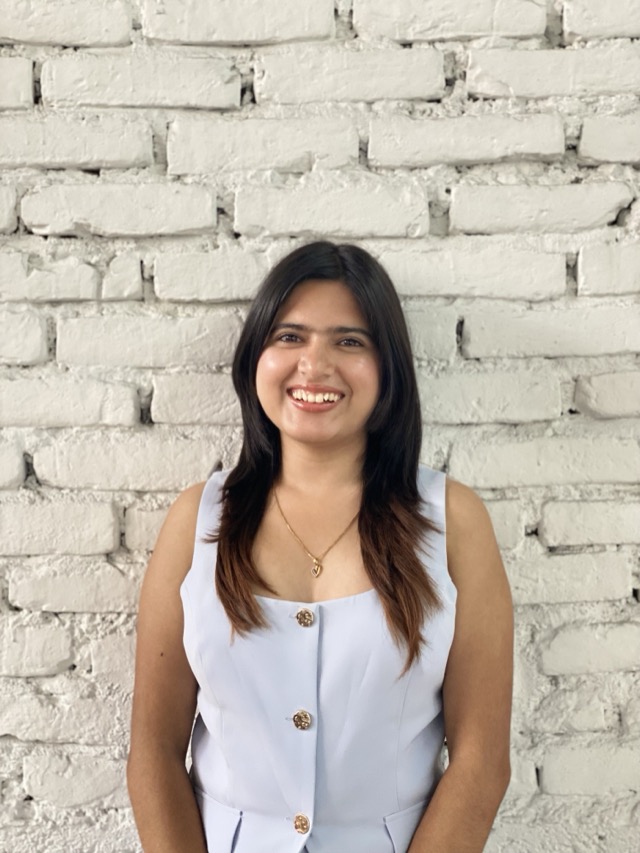
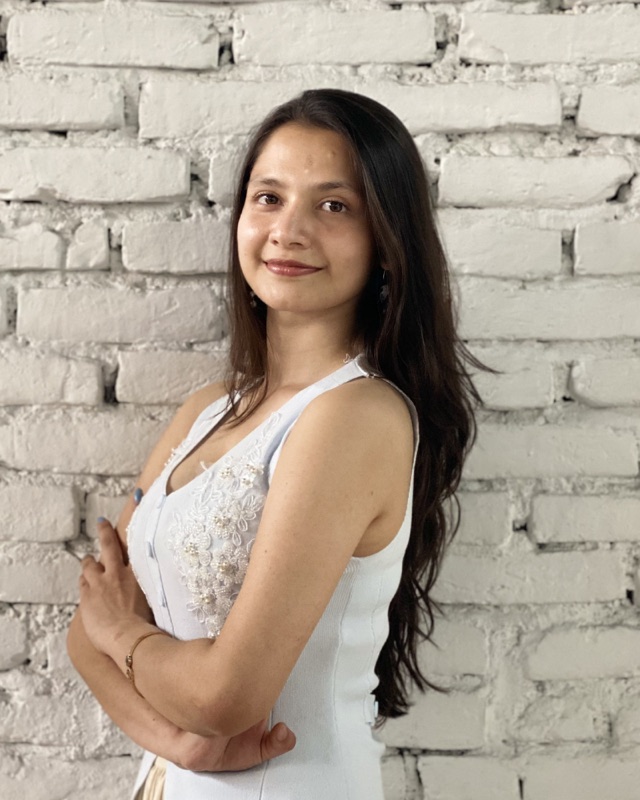
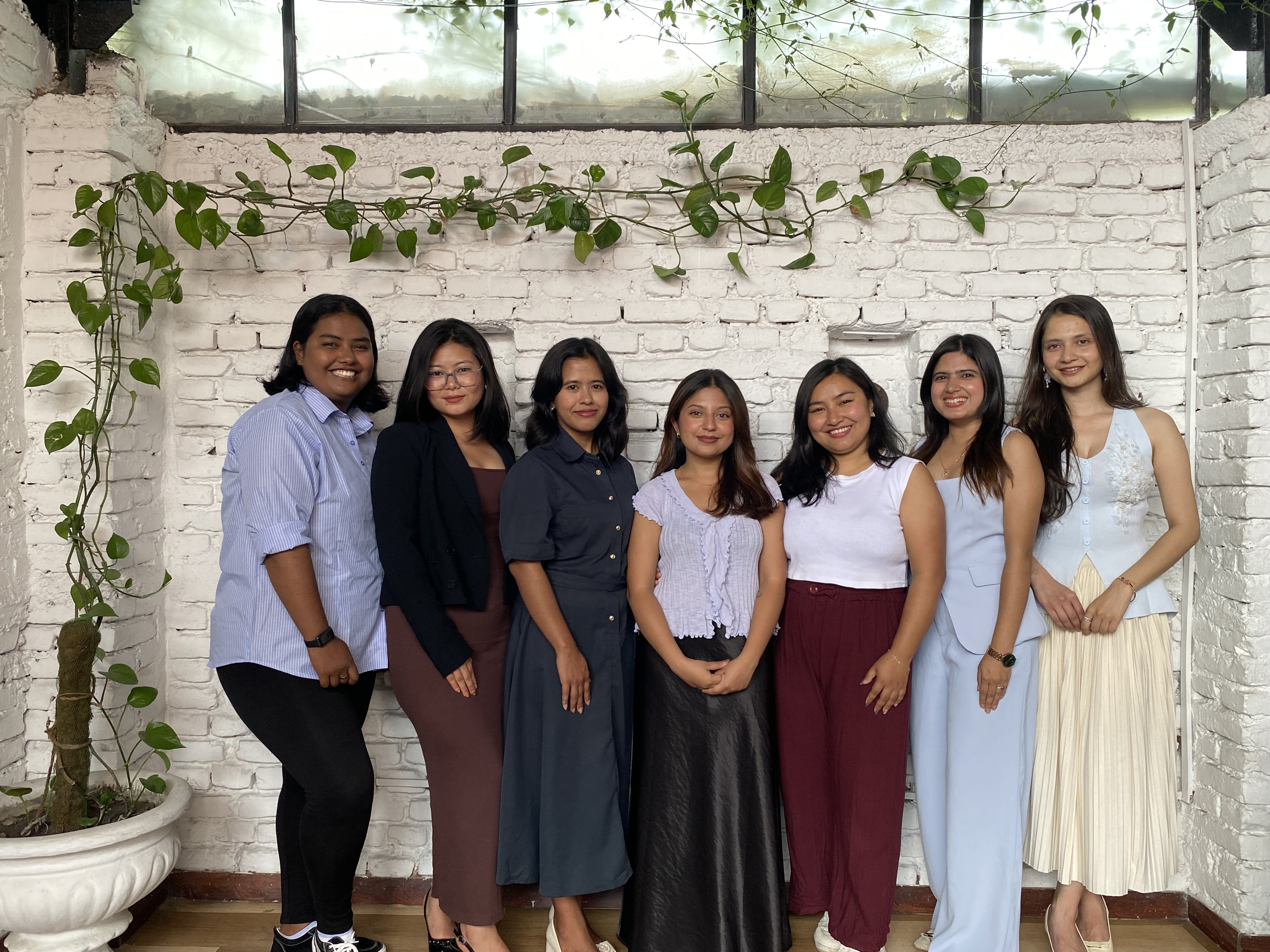
Founded and led by seven young Nepali women bringing legal, technical, and creative expertise. Aastha, Dipa, and Labbi initiated the project in 2023. As Digital Kala formally registers in 2026, all seven join as founding members of the registered organization.
Advocate and youth advocate working at the intersection of digital inclusion, gender equality, and youth empowerment.
Dipa Rai is a licensed advocate, youth advocate, and Co-Founder of Digital Kala. Originally from Eastern Nepal and born and raised in the Far-West, her journey has been shaped by firsthand experiences of the digital divide, educational inequality, discrimination, and limited opportunities faced by marginalized communities.
Driven by a belief that access to digital knowledge is a right, not a privilege, Dipa works at the intersection of digital inclusion, youth empowerment, gender equality, and advocacy. Through Digital Kala, she has helped design and implement digital literacy initiatives that equip young people with the skills, confidence, and opportunities needed to thrive in an increasingly digital world.
Her work is grounded in an intersectional approach that recognizes how geography, gender, and socioeconomic barriers affect access to opportunities. She is passionate about ensuring that young people, especially those from underserved communities, are not left behind in the digital age.
Data scientist and technical architect focused on civic technology, digital inclusion, and digital safety.
Labbi is a data scientist and technical architect who believes in the power of technology to make complicated systems easier for ordinary people. Passionate about civic technology, digital inclusion, and community empowerment, she builds tools that help people deal with the systems that shape their lives, from helping citizens navigate government processes to teaching digital safety.
With curiosity and care at the heart of everything she does, she strives to build spaces where complex things become accessible and people feel equipped to act for themselves.
Legal professional focused on human rights, digital inclusion, child rights, and community empowerment.
Aastha Acharya is a legal professional who believes in the power of people, especially young people, to create meaningful change. Passionate about human rights, digital inclusion, child rights, and community empowerment, she has dedicated her work to uplifting others.
With empathy at the heart of everything she does, Aastha thrives to build spaces where everyone feels heard, valued, and empowered to reach their potential.
Advocate and legal researcher specializing in constitutional law, public policy, and technology regulation.
Reeya Rayamajhi is an Advocate and legal researcher from Nepal, specializing in litigation, constitutional law, public policy, and emerging technology regulation. She currently serves as Research Head and Legal Associate at Vedic Law Firm and previously worked as a Judicial Research Fellow at the Supreme Court of Nepal under Hon. Justice Dr. Nahakul Subedi.
A national topper in the 34th Nepal Bar Council Examination, Reeya is actively engaged in legal education, mentorship, and international advocacy initiatives. As a Co-founder of Digital Kala, she is committed to advancing digital literacy, technology governance, and youth leadership through research, innovation, and community engagement.
Development and communications professional working across governance, human rights, and youth leadership.
Timila Maharjan is a development and communications professional with experience across journalism, digital marketing and content strategy, organisational governance, human rights, and women's and youth leadership. She currently works at the Citizenship Affected People's Network (CAPN), where she oversees programs and organisational compliance, and serves as the Board Secretary of Women LEAD Nepal.
With an academic background in Social Work and Journalism, combined with diverse professional experience, she brings expertise in program design and management, strategic communications, and organisational governance to her role as Co-Founder of Digital Kala. She is passionate about using technology as a tool for inclusion, advocating for equitable digital access and supporting Digital Kala's mission to promote digital inclusion, equitable access, and safer digital spaces.
Graphic designer, educator, and digital inclusion advocate working across design, technology, and social impact.
Nisha Baruwal is a graphic designer, educator, and digital inclusion advocate from Nepal, working at the intersection of design, technology, and social impact. She brings a unique blend of creative problem-solving, human-centered design, facilitation, and community engagement to her work, translating complex ideas into accessible and meaningful experiences.
Baruwal is passionate about making design accessible to everyone and advancing equitable access to digital opportunities. An avid reader and naturally curious learner, Nisha is driven by continuous exploration, collaboration, and innovation. Through design, education, and advocacy, she strives to foster inclusive communities and create lasting social impact in an increasingly digital world.
Project manager and BIT graduate passionate about gender equity, digital empowerment, and inclusive opportunities in technology.
Kriti is a Project Manager and BIT graduate passionate about using technology to create more inclusive opportunities. With a strong interest in gender equity and digital empowerment, she is committed to supporting young women in building confidence, developing technical skills, and pursuing meaningful careers in technology.
Through thoughtful leadership and a people-first approach, she hopes to contribute to a future where innovation is more accessible, representative, and empowering for all.
We're registering and scaling in 2026. Partner with us to reach more communities, more schools, and more young women.
Partner with us