Case study · Cybersecurity awareness

Cyber Security Awareness at CDPH

Forty-five future health leaders. One afternoon on staying safe with the data lives depend on.

Central Department of Public Health, Institute of Medicine · Tribhuvan University · Maharajgunj, Kathmandu · April 2024

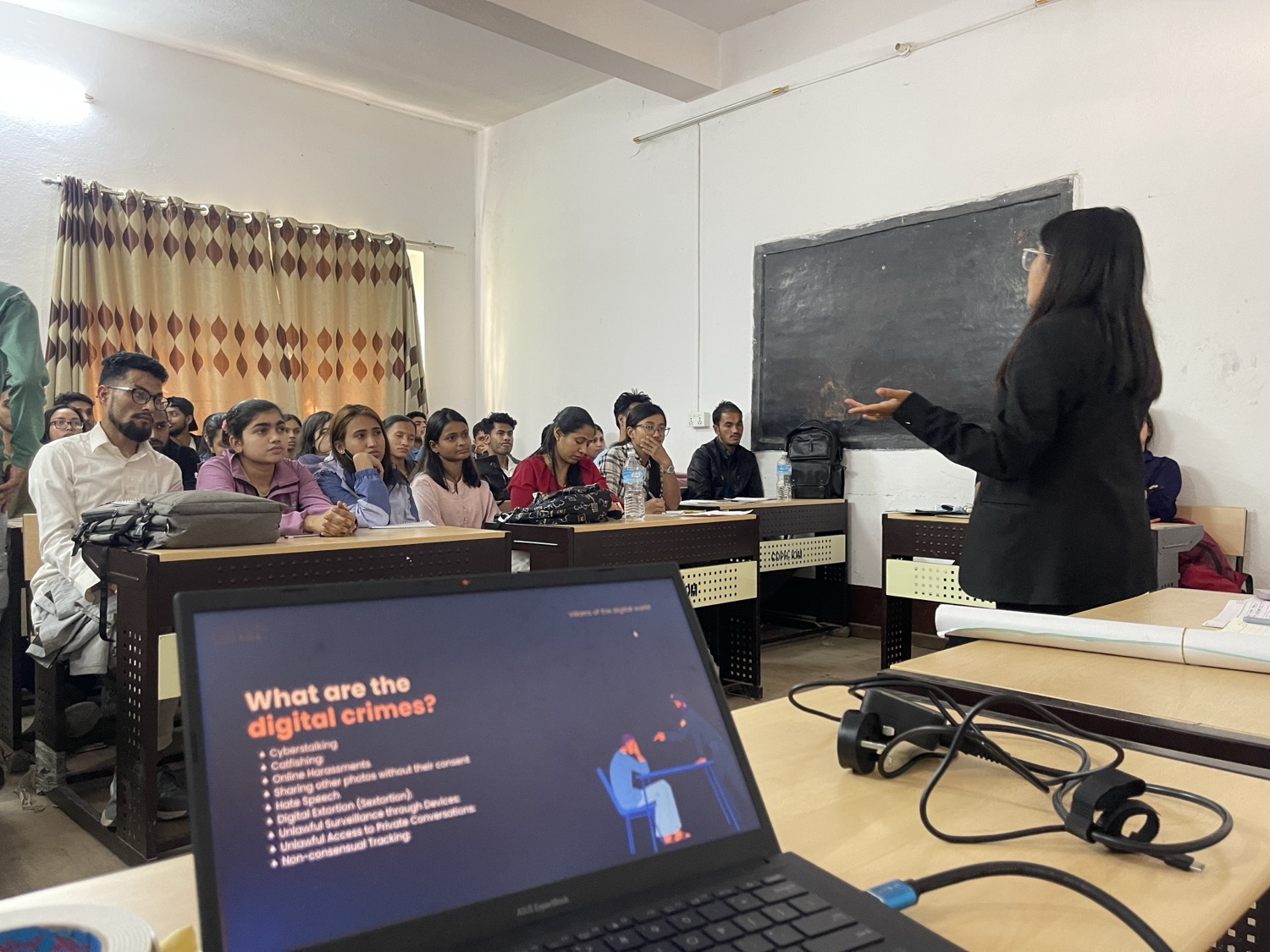
A Digital Kala facilitator leading a cyber security session at the blackboard, with a slide reading What are the digital crimes? on a laptop in the foreground and Bachelor of Public Health students seated
45
Bachelor of Public Health students
IOM
Institute of Medicine, Tribhuvan University
3
core digital-hygiene focus areas
NPHSWS
partner student welfare society
Why cybersecurity in public health

Digital literacy and cybersecurity are no longer just for tech professionals

At Digital Kala, we believe these are critical life skills for every career sector. Nowhere is that clearer than in health. Nepal's healthcare ecosystem is undergoing a rapid digital transformation, and public health professionals now handle more sensitive data than ever: community health datasets, national medical statistics, and electronic health records.

A single digital vulnerability can compromise patient trust and harm institutional integrity. So this session was tailored to connect healthcare administration with data privacy, to make sure these future health leaders are equipped to protect the information in their care.

Built with

A partnership with the public health community

In April 2024, Digital Kala partnered with the Nepal Public Health Students Welfare Society (NPHSWS) to host the session at the Central Department of Public Health (CDPH). This department is part of the Institute of Medicine (IOM) at Tribhuvan University. The session brought together around 45 enthusiastic Bachelor of Public Health (BPH) students for an interactive, high-impact afternoon. It was facilitated by Aastha Acharya and Dipa Rai.
In the classroom

Practical digital hygiene, no jargon

We led the 45 BPH participants through a practical curriculum built around real-world habits, not complicated theory.

Securing patient & research data

Protecting the information fieldwork depends on

We taught practical steps to encrypt, back up, and safely share research datasets. These everyday habits help students avoid dangerous data breaches during their fieldwork and clinical placements.

Demystifying social engineering

Recognizing the threats that actually land in Nepal

Students learned to recognize and dodge the online threats they are most likely to meet: phishing emails, malicious links, and identity theft. We kept the examples grounded in the Nepali digital landscape rather than abstract scenarios.

Robust credential hygiene

Strong habits for student portals and clinical networks

We shared best practices for multi-factor authentication (2FA) and explained how to use password managers to secure student portals today and future clinical networks tomorrow.

In the room

From listeners to digital-safety advocates

The energy at CDPH was inspiring. Rather than a lecture, the afternoon ran on active breakout discussions and real-time threat-spotting exercises, with students working through scenarios together.

Because of that hands-on practice, these 45 students left as active digital-safety advocates. They are ready to carry what they learned to their peers, their fieldwork, and their future workplaces across Nepal's health system.

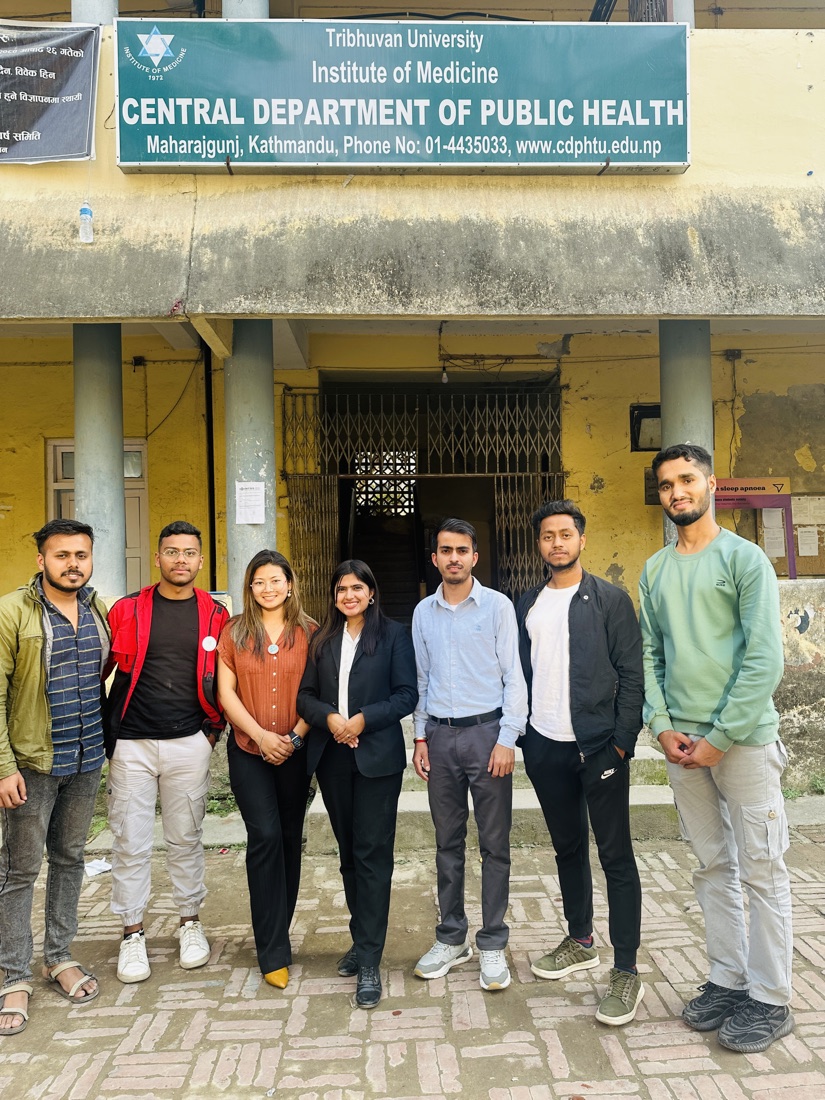
The Digital Kala team outside the Central Department of Public Health sign at Tribhuvan University
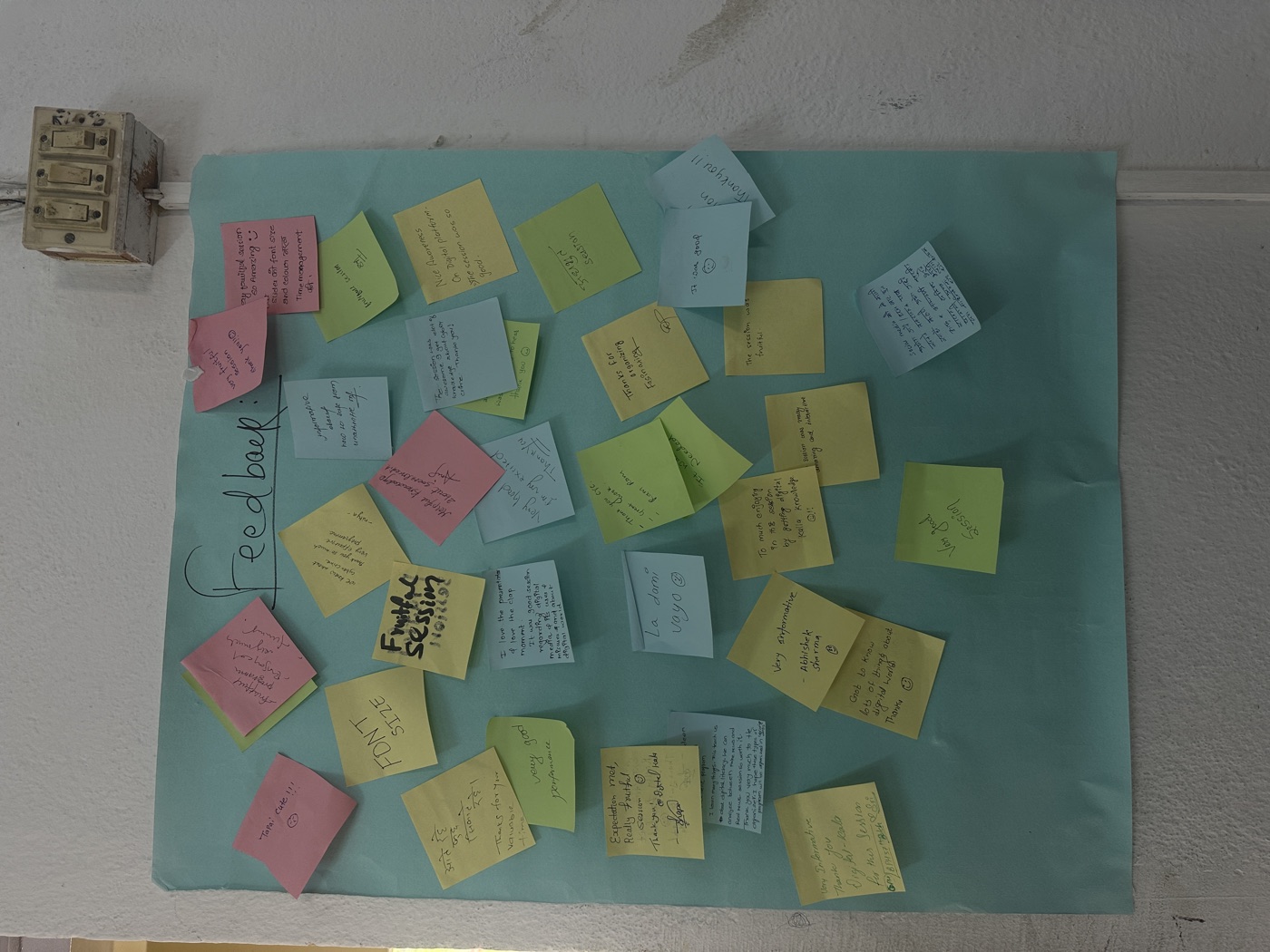
A feedback board covered in colourful sticky notes written by participants after the session
Participant feedback, left note by note at the end of the session
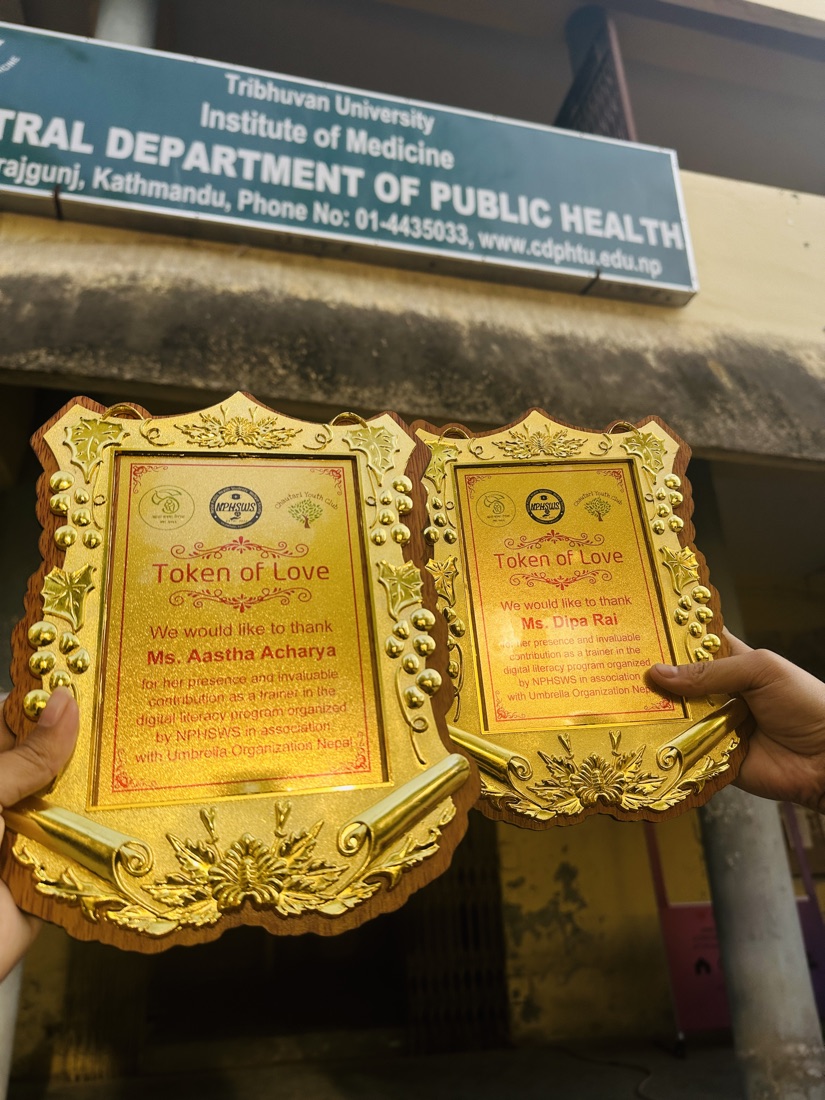
Two Token of Love appreciation plaques for Aastha Acharya and Dipa Rai held up in front of the CDPH sign
Tokens of appreciation for facilitators Aastha Acharya and Dipa Rai
Thank you

Building a safer digital future for Nepal's health workforce

We extend our heartfelt thanks to the Nepal Public Health Students Welfare Society (NPHSWS) for their coordination, and to the faculty at CDPH for hosting us. Together, we are building a digitally secure and resilient healthcare workforce for Nepal, one session and one advocate at a time.

Want a session like this with your department?

We work with colleges, faculties, student societies, and professional networks. We tailor every cybersecurity session to the data your community actually handles. Tell us who you'd like to reach.

Partner with us
Keep reading

More of our work

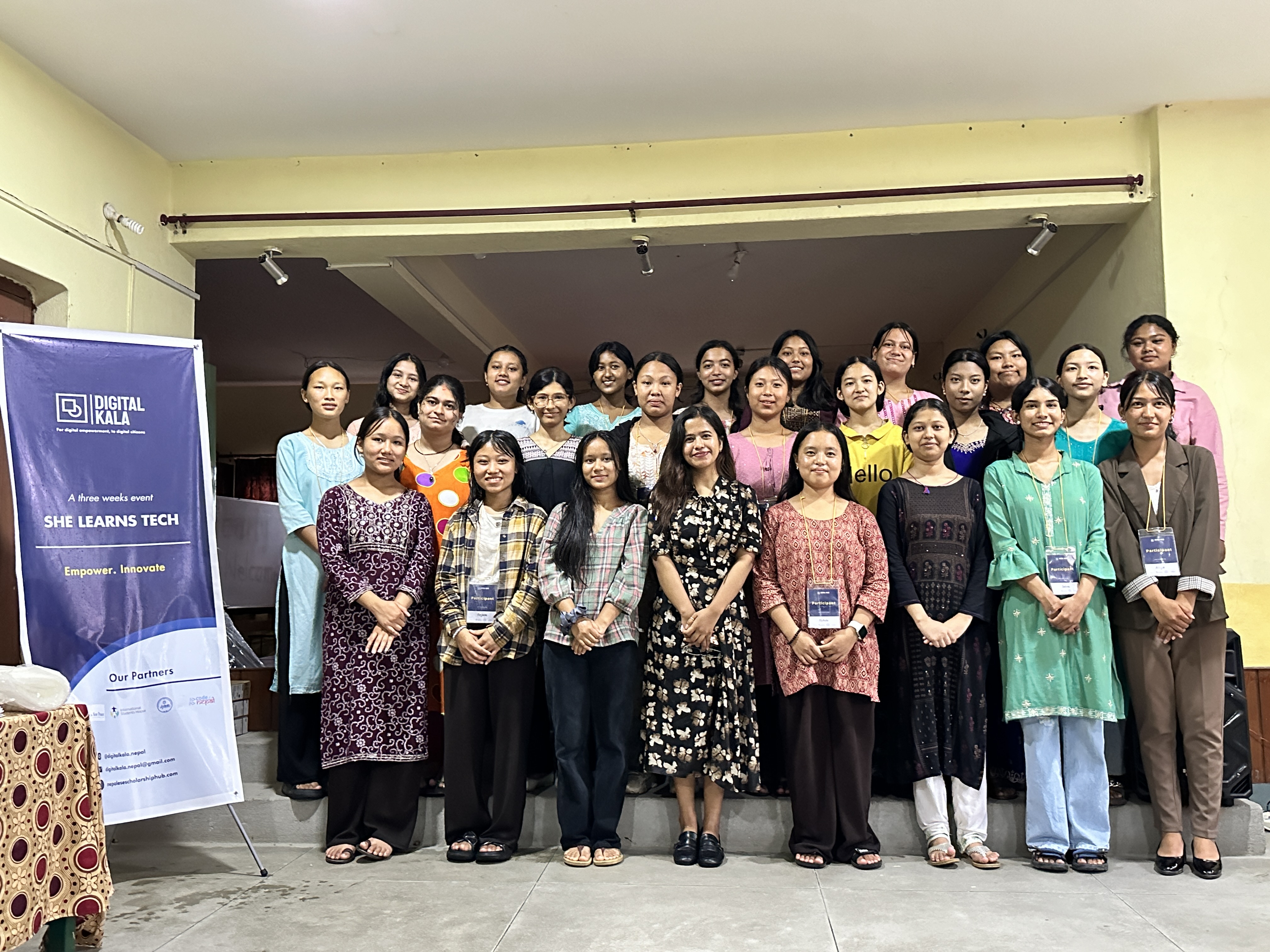
She Learns Tech participants at Mary Ward School
Case study · Flagship program

She Learns Tech at Mary Ward School

Three weeks, 23 young women, programming and career skills at Nepal's Mary Ward School.

Read the case study
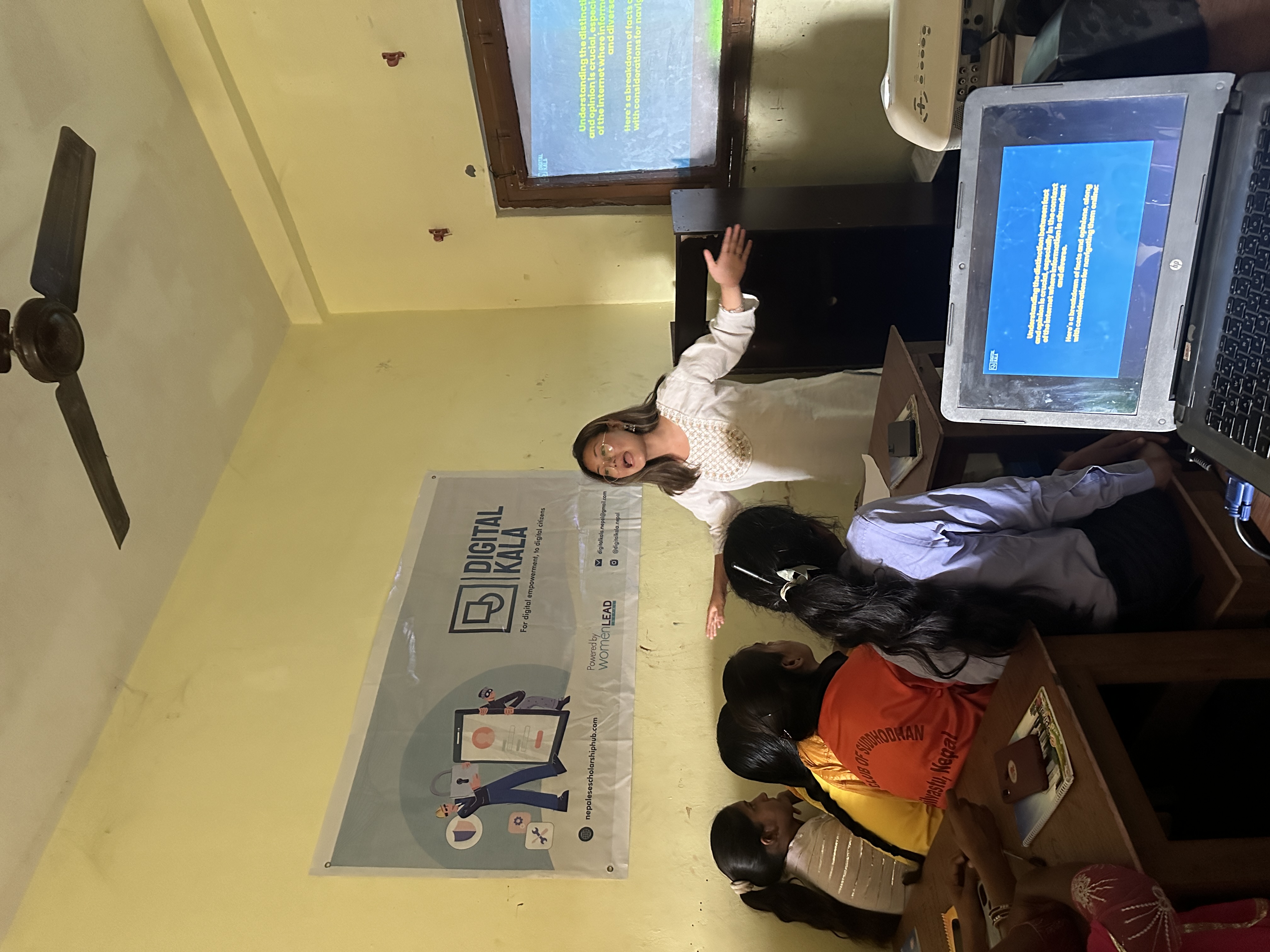
Dipa leading a session at Labani, Lumbini
Case study · Community outreach

Digital Kala in Lumbini Province

323 people reached across five partner sites in Kapilvastu and Dang. This was our founding project.

Read the case study