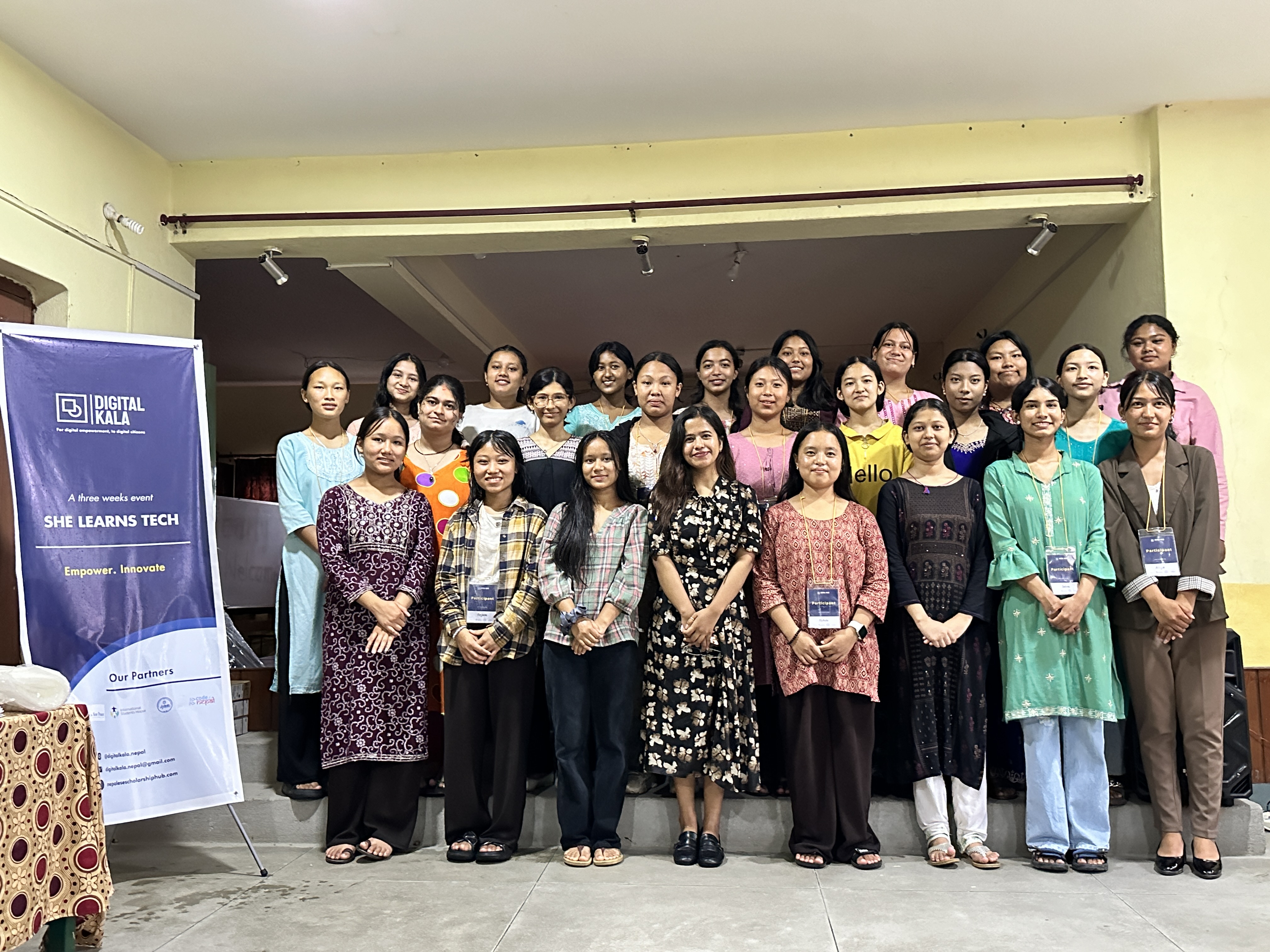
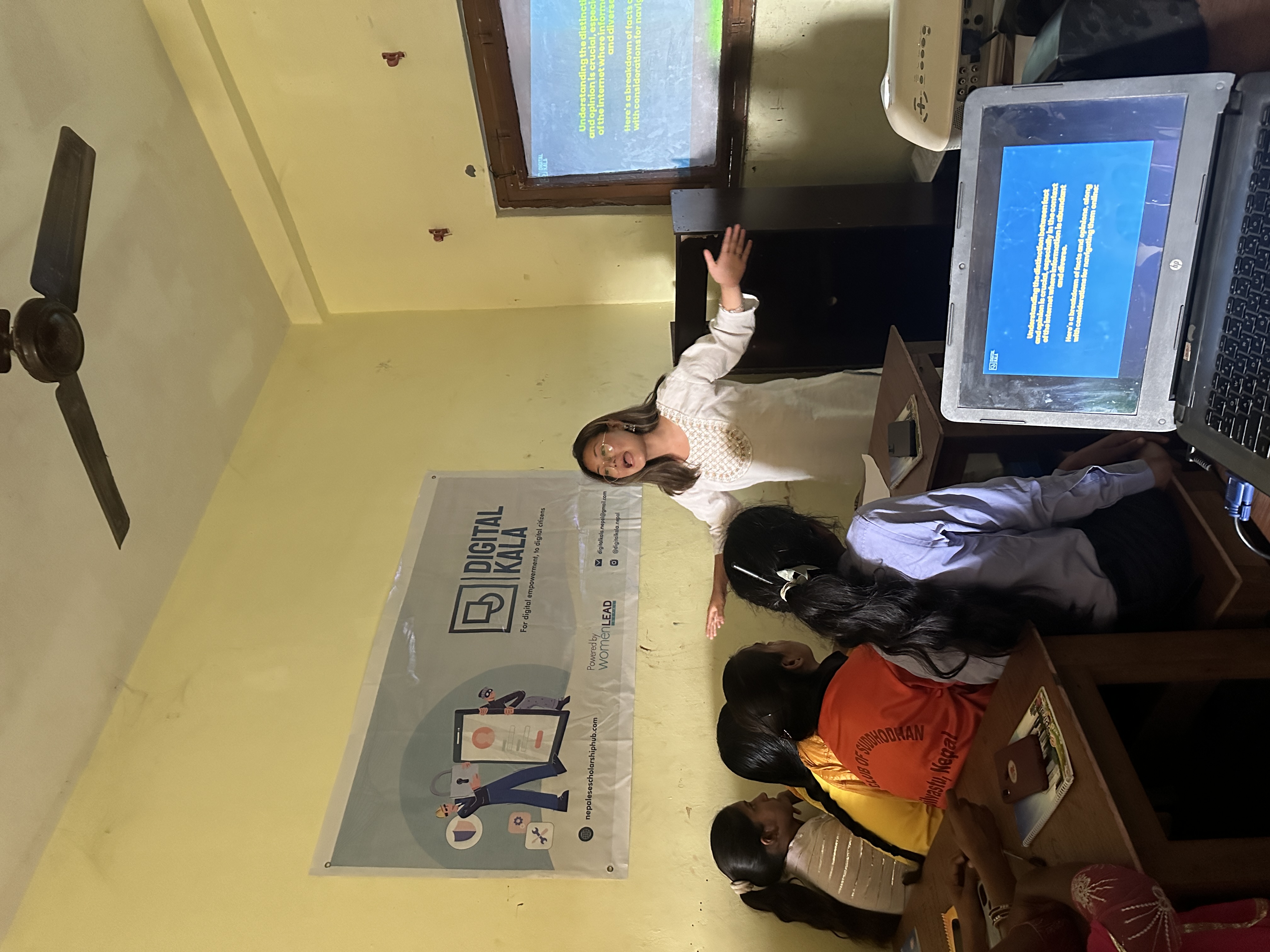
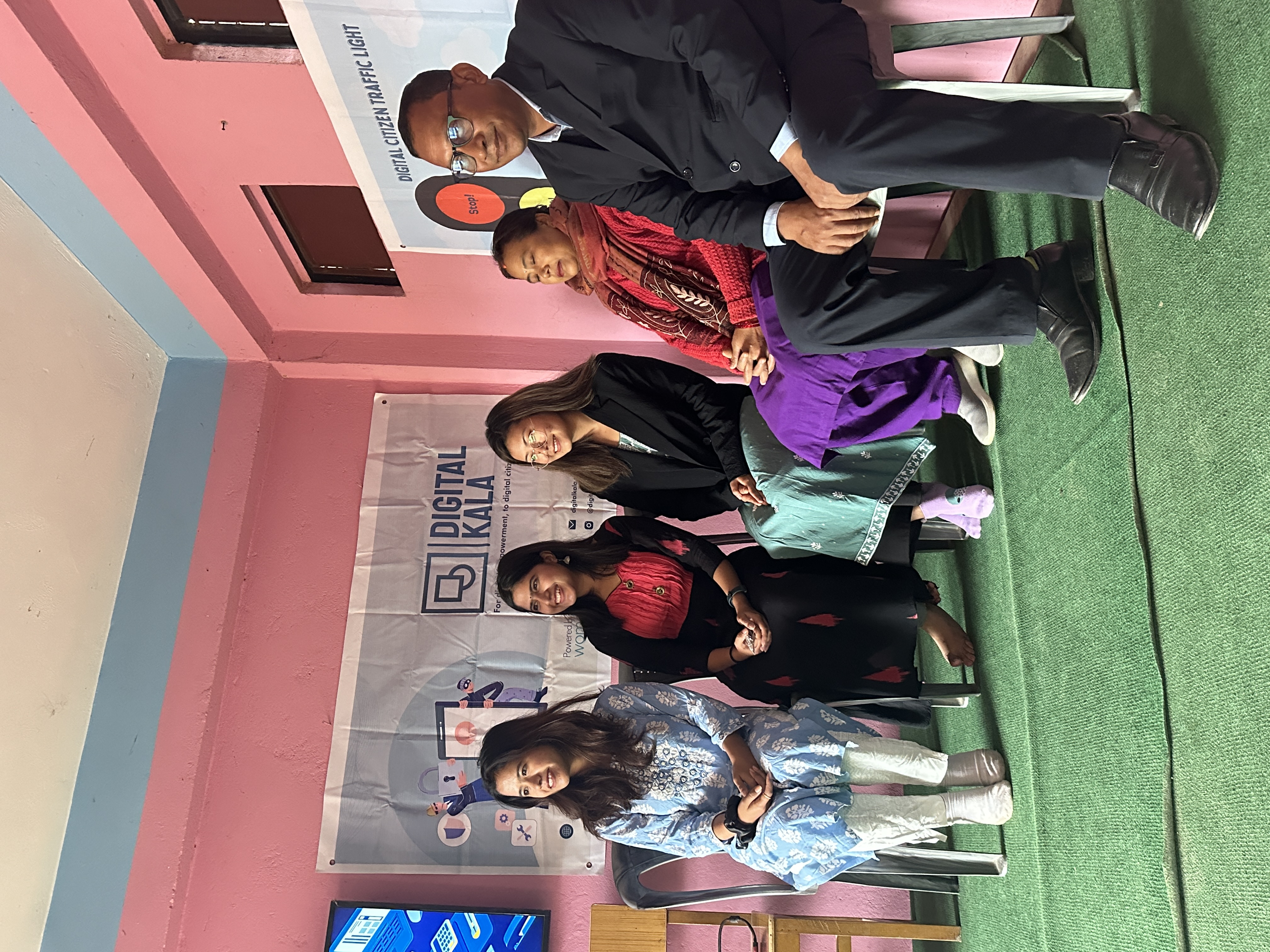
By the second week of Python, students were arriving early to practice and staying after hours to keep working. Some brought questions that made the team pause and rethink the next day's plan.
- Digital Kala team, field notes
Behind the scenes
What actually happened in that classroom
The plan changed almost daily. On Day 1 the projector was too dim; the venue's steel-sheet roof turned the room into an oven that even the fans could not fix. Three of the borrowed computers were slow or crashed outright, so participants shared and rotated. Rain on the steel roof drowned out the lecturer some afternoons. Load shedding cut power mid-session more than once, forcing students to write Python in notebooks instead of on machines.
The original curriculum included Git, GitHub, and data engineering. After Day 3, the team dropped them in favor of deeper Python foundations - a decision the debriefs converged on every evening. Advanced content was replaced with an ideathon, an idea born out of noticing that the cohort responded better to open-ended, problem-first work than to abstract computer-science topics.
On the day national exam results were released, half the room was checking phones under the desk. The team started that session with a movie to let everyone settle in, then moved into the lesson. Small moves, most of them not on any content plan, made the difference.
What worked
Three habits that stuck
Repeat every concept three times - once on the board, once on the computer, once back on the board. Cohort had varying prior exposure to CS, and this rhythm let the strongest students consolidate while the newer ones caught up.
Run it like a studio, not a lecture - Labbi and the team rotated between presenting and floor-walking; sessions routinely ran past their scheduled end because students wanted them to.
Resume feedback stayed open all three weeks - participants could ask for feedback on their resumes up to the last day. Several used it.